
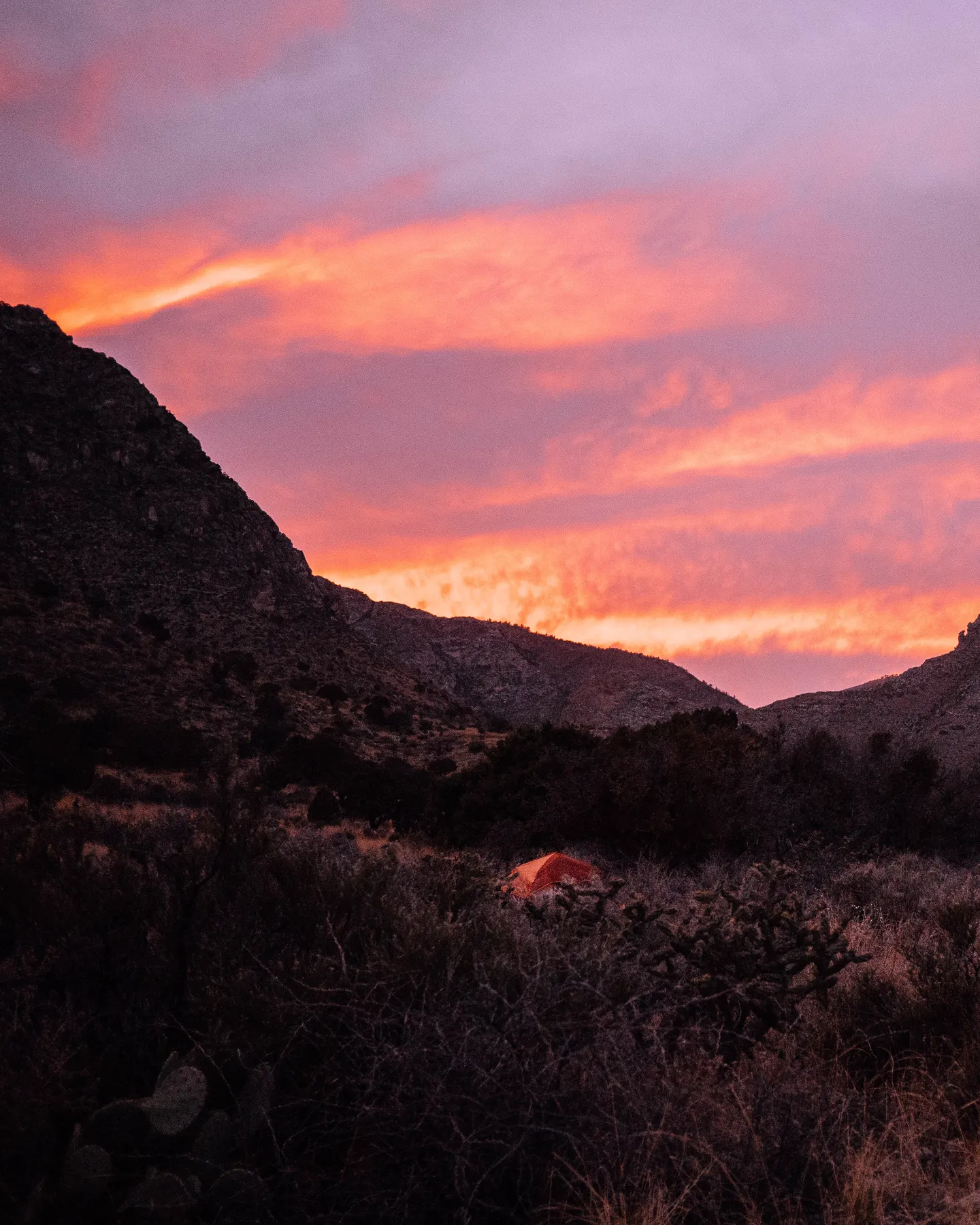


“For the lover of mountains and wilderness, for the person who is weary of the pace of modern life, for the student of the earth, and for the person who is just plain curious, this park has a lot to offer.”
– Paraphrased sentiment from early park proponents

Rising like a stone island from the vast Chihuahuan Desert, Guadalupe Mountains National Park is a realm of dramatic contrasts. It is home to the four highest peaks in Texas, deep rugged canyons, a surprisingly lush riparian oasis, and a vast fossilized reef from a 265-million-year-old sea. This is not a park of scenic drives or casual pull-offs; it is a hiker’s park, a rugged wilderness that rewards effort with solitude and breathtaking views.
This land has a long human history, serving as a homeland for the Mescalero Apache for centuries. It became a crossroads for travelers on the Butterfield Overland Mail route in the 1850s. Recognizing its unique geological and ecological value, Congress authorized the park, and it was officially established on September 30, 1972. Visiting Guadalupe Mountains is a journey into the geologic past and a challenge to explore one of the wildest corners of the American Southwest.


How to Get to Guadalupe Mountains National Park
Your Drive to the Texas High Country
Guadalupe Mountains National Park is extremely remote. There are no towns or services within the park itself. You must arrive by car with a full tank of gas and all the food and water you will need for your visit.
- From El Paso, Texas (approx. 110 miles):
- Take US-62 E / US-180 E directly to the park. The drive is about 2 hours.
- The Pine Springs Visitor Center will be on your left, just after you see the prominent El Capitan peak.
- From Carlsbad, New Mexico (approx. 55 miles):
- Take US-62 W / US-180 W south from Carlsbad. The drive is about one hour.
- The Pine Springs Visitor Center will be on your right, about 35 miles south of White’s City.
Important Note: Cell service is unreliable to nonexistent throughout the park. Download maps and all necessary information before you arrive.

Hiking in Guadalupe Mountains National Park
Trails Among the Peaks and Canyons
Hiking is the premier activity in Guadalupe Mountains National Park, offering everything from canyon strolls to the highest point in Texas. The weather can change in an instant, with extreme winds being a major factor. Always carry at least one gallon of water per person, per day.
- Guadalupe Peak Trail
- Difficulty: Strenuous
- Trail Length: 8.4 miles round trip
- Notable Features: This is the park’s signature hike. The challenging trail involves a 3,000-foot elevation gain, leading you to the “Top of Texas” at 8,751 feet. At the summit, you’ll find a steel pyramid monument and 360-degree views of the surrounding desert and mountains.
- Devil’s Hall Trail
- Difficulty: Moderate to Strenuous
- Trail Length: 3.8 miles round trip
- Notable Features: A truly unique hike that begins on a paved path before dropping into a rocky wash. The last mile involves scrambling over large boulders and navigating a narrow slot canyon known as the “Hiker’s Staircase” to reach the impressive Devil’s Hall.
- McKittrick Canyon Trail
- Difficulty: Easy to Moderate
- Trail Length: 4.8 miles round trip (to Pratt Cabin); 6.8 miles round trip (to the Grotto)
- Notable Features: Famous for its surprising explosion of fall colors in late October and early November, this trail is a gem. It follows a perennial stream through the canyon, a rarity in the desert. The relatively flat trail leads to the historic Pratt Cabin and further on to a small grotto and cave.
- El Capitan Trail
- Difficulty: Strenuous
- Trail Length: 11.3 miles round trip
- Notable Features: While you can’t climb the sheer cliff face of El Capitan, this trail takes you to the base of the iconic peak. Starting from the Pine Springs trailhead, the trail offers a different perspective on the mountain and leads to the historic Butterfield Stage Route marker.
Lodging and Camping Options for Guadalupe Mountains National Park
Staying in a Remote Wilderness
There are no hotels or lodges within Guadalupe Mountains National Park. All lodging is a significant drive away. Camping options are limited and fill up quickly.
- In-Park Camping
- Pine Springs Campground: Located near the main visitor center. Offers tent and RV sites (no hookups). It’s a desert environment with great views but little shade or protection from wind.
- Dog Canyon Campground: Located on the north side of the park (a 2-hour drive from Pine Springs). It’s at a higher elevation, more sheltered, and offers more shade from trees.
- Distance from Park: You are in the park. Reservations are required and can be made on Recreation.gov.
- Hotels and Motels
- Carlsbad, NM: The largest nearby city with a wide range of hotel options from all major chains.
- Van Horn, TX: A smaller town with several roadside motels and the historic Hotel El Capitan.
- Distance from Park: Carlsbad is approximately a one-hour drive. Van Horn is approximately a 1.5-hour drive.
- RV Parks
- Pine Springs Campground: Offers a designated RV parking area, but it is essentially a parking lot with no hookups.
- White’s City, NM: Located near the entrance to Carlsbad Caverns, this small tourist stop has a full-service RV park.
- Distance from Park: White’s City is about a 45-minute drive from the Pine Springs Visitor Center.
Top Things to Do in Guadalupe Mountains National Park
Beyond the Hiking Trails
While hiking is the main event, the park offers other ways to appreciate its unique environment.
- Stargazing: As a designated International Dark Sky Park, the stargazing here is phenomenal. On a moonless night, the Milky Way is breathtakingly clear. The Pine Springs Campground is a perfect place to set up a chair and look up.
- Backpacking: With over 80 miles of trails, the park is a premier destination for backcountry camping. Permits are required and can be obtained at the visitor center.
- Visit the Frijole Ranch Museum: This historic ranch house, built in 1876, is now a small museum that tells the story of the area’s ranching and settlement history. It’s a short, easy walk from the parking area.
- Bird Watching: The park’s diverse habitats attract a variety of birds, including hummingbirds, canyon wrens, and peregrine falcons. McKittrick Canyon is a particularly good spot for birding.
Weather in Guadalupe Mountains National Park
A Climate of Extremes
The weather in Guadalupe Mountains is famously unpredictable and often extreme. Wind is a constant factor and can exceed 80 mph.
- Spring (March – May): Temperatures can swing wildly from warm to cold. This is the windiest season, and hikers should be prepared for powerful gusts, especially at higher elevations.
- Summer (June – August): Very hot, with temperatures often exceeding 90°F (32°C) in the lower elevations. A “monsoon” season brings afternoon thunderstorms, which create a serious risk of flash floods in canyons. Start hikes early to avoid the heat and storms.
- Fall (September – November): Generally considered the best time to visit. The weather is milder, and the winds are calmer. Late October to early November brings the spectacular fall colors to McKittrick Canyon.
- Winter (December – February): Cold, with daytime temperatures often in the 40−50°F (4−10°C) range and dropping below freezing at night. Snow and ice can occur at higher elevations, making trails treacherous.
Wildlife to See in Guadalupe Mountains National Park
Resilient Desert Dwellers
The park is home to a variety of animals adapted to the harsh Chihuahuan Desert environment.
- Mule Deer: Often seen Browse in the mornings and evenings, especially around the Pine Springs and Frijole Ranch areas.
- Javelina: These pig-like mammals travel in small herds and can sometimes be seen in the lower elevations.
- Reptiles: Many species of lizards and snakes, including several types of rattlesnakes, call the park home. Always watch where you step and place your hands.
- Elk and Black Bears: A herd of elk roams the higher elevations, and a small population of black bears lives within the park. Sightings are rare, but their presence speaks to the wildness of the area.
- Insects and Arachnids: Be aware of scorpions and centipedes, especially when camping. It’s wise to shake out your boots and clothes before putting them on.
Best Places to Take Photos in Guadalupe Mountains National Park
Capturing the Rugged Beauty
The park’s dramatic geology and light provide incredible photo opportunities. The best light is during the “golden hours” of early morning and late afternoon.
- El Capitan at Sunset: The classic Guadalupe Mountains shot. Find a spot along US-62/180 west of the park entrance to capture the iconic peak lit up by the setting sun.
- The Guadalupe Peak Summit: The photo with the steel pyramid marker is the ultimate “I was here” shot, proving you made it to the Top of Texas.
- Devil’s Hall: The narrow, walled “hallway” at the end of the trail provides a fantastic, textured photo that shows the power of water.
- McKittrick Canyon in Fall: In late autumn, the contrast of the red, orange, and yellow foliage against the stark desert canyon walls is a photographer’s dream.
- Salt Basin Dunes: From a distance, looking west from the Guadalupe Peak trail, the brilliant white of these gypsum dunes provides a stunning contrast to the dark mountains.
Things to Do Nearby Guadalupe Mountains National Park
Exploring the Region
The park’s remote location means “nearby” is relative, but there is one world-class attraction right next door.
- Carlsbad Caverns National Park: Just a 45-minute drive away in New Mexico, this park is a must-see. Explore the massive underground chambers on a self-guided tour. It’s a perfect complement to Guadalupe’s rugged, above-ground scenery.
- City of Carlsbad, NM: Visit the Living Desert Zoo & Gardens State Park, which showcases the plants and animals of the Chihuahuan Desert, or enjoy a walk along the Pecos River.
- Dell City, TX: A small agricultural community to the west of the park, offering a glimpse into rural West Texas life.
Wrapping up Guadalupe Mountains National Park:
Guadalupe Mountains National Park does not give up its secrets easily. It demands effort, preparation, and respect for its powerful weather and rugged terrain. But for those willing to meet the challenge, the rewards are immense: the satisfaction of standing on the highest point in Texas, the quiet beauty of a canyon oasis, and the profound solitude of a true wilderness. This is a place to test your limits and reconnect with the raw, untamed spirit of the American landscape. For anyone who believes the journey is the destination, Guadalupe Mountains is a must-visit.
Resources for Guadalupe Mountains National Park:
Reservations for Camping: https://www.recreation.gov/
Official Park Website: https://www.nps.gov/gumo/index.htm
Check Out My Socials
TL;DR
Guadalupe Mountains National Park is a remote hiker’s park in West Texas with no services, so bring all your own food, gas, and water. Your main goal is to hike; climb Guadalupe Peak to the “Top of Texas” or scramble through Devil’s Hall. Be prepared for extremely high winds year-round. There are no hotels in the park, only basic campgrounds, with the nearest towns an hour away. It’s located right next to Carlsbad Caverns National Park, making it a great two-park trip.
Get More Info
Get more info from the source at https://www.nps.gov/gumo/index.htm
Check out my other nearby blog reviews of Texas!
